

Introduction
In the rapidly expanding world of online gaming and digital wagering, the term Virtual Betting ID has become increasingly important. As betting platforms shift from traditional physical outlets to fully digital systems, users now require a secure and personalized way to access services. A Virtual Betting ID serves as that digital identity — allowing individuals to log in, manage funds, place bets, and track their activity in a structured and secure environment.
A Virtual Betting ID is more than just a username and password. It represents a complete online profile connected to a betting platform. Through this ID, users can access sports betting markets, casino games, promotional offers, and transaction histories. Every action — whether depositing money, placing a wager, or withdrawing winnings — is recorded under this unique identification system.
The growing popularity of online betting has made Virtual Betting IDs essential for both users and platforms. For users, it provides convenience, privacy, and control. For platforms, it ensures organized record-keeping, security monitoring, and responsible gambling management. Without such a system, managing millions of digital transactions daily would be nearly impossible.
However, while a Virtual Betting ID offers flexibility and ease of access, it also requires responsible handling. Since financial transactions are involved, maintaining security and understanding platform policies becomes critical. Choosing reliable platforms, protecting login credentials, and being aware of legal regulations are all part of using a Virtual Betting ID wisely.
As technology continues to evolve, Virtual Betting IDs are becoming more advanced, integrating stronger security systems, faster payment options, and improved user experiences. Understanding how they work is the first step toward safe and informed participation in the online betting ecosystem.
Understanding the Concept of a Virtual Betting ID
To fully understand how online betting works, it is important to clearly understand the concept of a Virtual Betting ID. At its core, a Virtual Betting ID is a system-generated digital identity that allows a user to access and interact with an online betting platform. It acts as a gateway between the user and the platform’s betting markets, wallet system, and account management tools.
Unlike traditional betting methods where a person places wagers physically at a betting shop, online platforms operate entirely through digital accounts. The Virtual Betting ID replaces physical slips and manual record-keeping with an automated system that tracks everything in real time. Each bet placed, each deposit made, and each withdrawal requested is linked directly to this unique ID.
How It Differs from a Regular Online Account
Although it may seem similar to a normal website login account, a Virtual Betting ID is more structured and financially integrated. It connects directly to:
- A digital wallet
- Betting history records
- Bonus and promotional eligibility
- Risk management systems
- Security and fraud monitoring tools
This means the ID is not just for logging in — it becomes the center of the user’s entire betting activity.
The Role of Unique Identification
Every Virtual Betting ID is unique. No two users can share the same credentials on a regulated platform. This uniqueness ensures:
- Accurate transaction tracking
- Prevention of duplicate accounts
- Better monitoring of suspicious behavior
- Compliance with regulatory standards
Platforms use automated algorithms to generate and manage these IDs securely. Many systems also assign a numeric customer ID in addition to a username for internal tracking.
Why Platforms Rely on Virtual Betting IDs
Online betting platforms handle thousands — sometimes millions — of transactions daily. Without a structured ID system, managing such large volumes would be chaotic. The Virtual Betting ID allows platforms to:
- Organize user data efficiently
- Monitor betting patterns
- Enforce limits and restrictions
- Detect unusual or fraudulent activities
- Provide customer support quickly by referencing account details
In short, the entire operational structure of an online betting system revolves around these IDs.
Connection Between Virtual Betting ID and Digital Wallet
One of the most important components linked to a Virtual Betting ID is the digital wallet. This wallet holds the user’s deposited funds, winnings, bonuses, and transaction history. Whenever a bet is placed, the amount is deducted from the wallet associated with that specific ID. When a bet wins, the payout is credited back to the same wallet.
This integrated system ensures transparency and accountability in financial transactions.
The User Perspective
From a user’s point of view, a Virtual Betting ID simplifies the betting experience. Instead of handling physical cash or visiting a location, everything is accessible from a smartphone or computer. The ID acts as a secure personal dashboard where users can:
- View available betting markets
- Monitor live odds
- Check balance instantly
- Review past bets
- Update personal settings
This convenience has significantly contributed to the rapid growth of online betting worldwide.
Understanding this foundational concept makes it easier to explore deeper aspects such as security measures, registration processes, benefits, and potential risks associated with a Virtual Betting ID.
Registration Process for a Virtual Betting ID
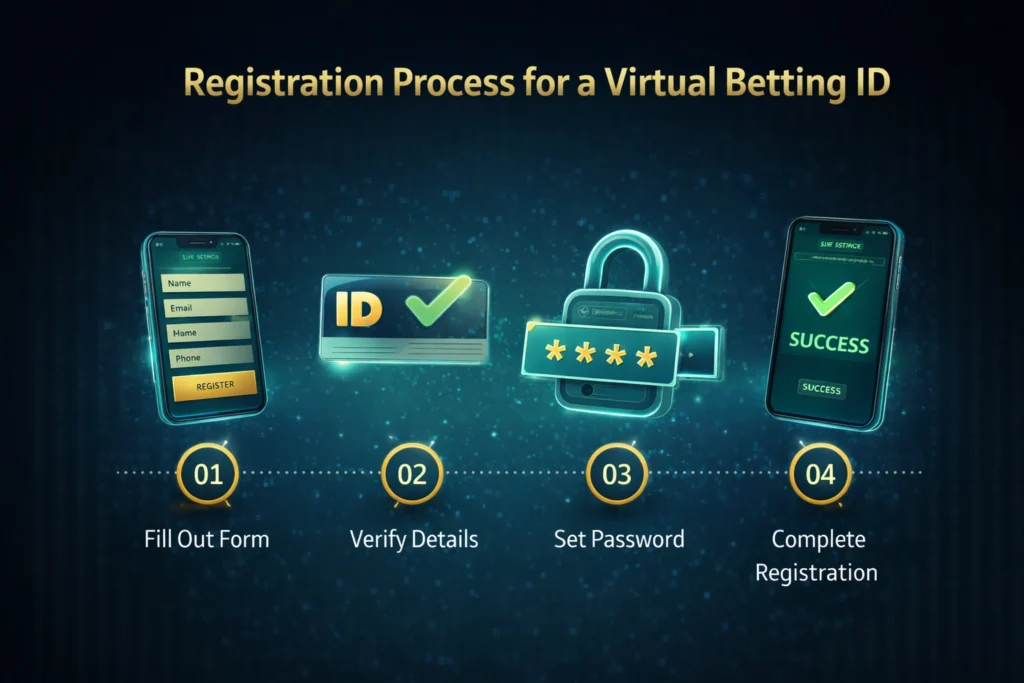
Creating a Virtual Betting ID is usually a simple and structured process. Online betting platforms are designed to make registration quick while maintaining security standards. However, the exact steps may vary slightly depending on the platform and regional regulations.
Understanding the registration process helps users avoid mistakes and ensures a smooth start.
Step 1: Choosing a Reliable Platform
Before creating a Virtual Betting ID, selecting a trustworthy and legally compliant platform is essential. A reliable platform should offer:
- Secure website connection (HTTPS)
- Clear terms and conditions
- Transparent deposit and withdrawal policies
- Customer support availability
- Verified licensing information (where applicable)
Choosing the right platform reduces the risk of fraud or account-related issues later.
Step 2: Filling Out Basic Information
Most platforms require basic personal details during registration. These may include:
- Full name
- Date of birth
- Mobile number
- Email address
- Country of residence
Some platforms may ask for additional information depending on legal requirements in specific regions.
It is important to provide accurate details, as incorrect information can cause verification problems during withdrawals.
Step 3: Creating Login Credentials
After entering personal information, users must create:
- A unique username (or system-generated ID)
- A strong password
A secure password should include:
- Uppercase letters
- Lowercase letters
- Numbers
- Special characters
Strong credentials protect the Virtual Betting ID from unauthorized access.
Step 4: Verification Process
Many platforms require identity verification before activating full account features. This process may include:
- OTP verification via SMS
- Email confirmation link
- Uploading identity documents (KYC)
- Address verification
Verification ensures that the account belongs to a real individual and helps prevent fraudulent activities.
Step 5: Activating the Wallet
Once verification is complete, users can deposit funds into their account. Payment methods may include:
- Bank transfer
- UPI or online payment systems
- Credit or debit cards
- Digital wallets
- Cryptocurrency (on some platforms)
The deposited amount reflects in the wallet linked to the Virtual Betting ID.
Step 6: Accessing Betting Markets
After wallet activation, the Virtual Betting ID is fully functional. Users can now:
- Browse sports markets
- Place bets
- Access live betting features
- Play casino games
- Track transactions
The account dashboard displays all activities in real time.
Common Registration Mistakes to Avoid
While the process is straightforward, users often make errors such as:
- Entering incorrect personal information
- Using weak passwords
- Ignoring platform terms and conditions
- Creating multiple accounts on the same platform
- Registering through unverified third-party agents
Avoiding these mistakes ensures smoother account management.
Agent-Based Virtual Betting ID Registration
In certain regions, users may obtain a Virtual Betting ID through an agent. In such cases:
- The agent creates the ID on behalf of the user
- Login credentials are shared privately
- Deposits and withdrawals may be handled through the agent
While this method may seem convenient, it requires high trust. Users should ensure the agent is reputable to avoid misuse of funds or credentials.
Time Required for Registration
Most platforms allow instant registration within a few minutes. However, complete account verification may take longer if document approval is required.
Fast registration combined with digital payment systems has made Virtual Betting IDs accessible to a wide range of users.
Understanding the registration process helps users begin their online betting journey confidently and securely. The next important step is understanding how security systems protect a Virtual Betting ID and what users can do to keep their account safe.
Security Measures and Protection of a Virtual Betting ID
When money and personal information are involved, security becomes the most important aspect of a Virtual Betting ID. Online betting platforms handle financial transactions, user data, and betting activity every second. Without strong protection systems, both users and platforms would be exposed to serious risks.
Understanding how security works — and how users can protect themselves — is essential for safe participation.
Platform-Level Security Systems
Reputable betting platforms invest heavily in cybersecurity infrastructure. Some of the most common protection measures include:
1. SSL Encryption
Secure Socket Layer (SSL) encryption protects data transferred between the user’s device and the platform’s servers. This prevents hackers from intercepting login credentials or payment details.
2. Two-Factor Authentication (2FA)
Two-factor authentication adds an extra layer of security. Even if someone knows your password, they cannot log in without a one-time code sent to your registered mobile number or email.
3. Secure Payment Gateways
Trusted platforms use encrypted payment processors to protect financial transactions.
4. Automatic Session Logout
Accounts may automatically log out after a period of inactivity to reduce unauthorized access risk.
5. Fraud Detection Systems
Many platforms use AI-based monitoring tools that detect unusual betting patterns, rapid withdrawals, or suspicious login locations.
User Responsibilities in Protecting a Virtual Betting ID
While platforms provide security tools, users also play a critical role in protecting their accounts.
Use a Strong Password
Avoid simple passwords like birthdays or common words. A strong password significantly reduces hacking risk.
Do Not Share Login Details
Sharing credentials — even with friends — can result in account misuse or permanent suspension.
Avoid Public Wi-Fi
Public internet networks are often unsecured and vulnerable to data theft.
Enable 2FA
If the platform offers two-factor authentication, always activate it.
Log Out After Use
Especially when using shared devices.
Common Security Threats
Even with protection systems in place, users should be aware of common risks:
Phishing Attacks
Fraudsters may send fake emails or messages pretending to be official platform representatives.
Fake Apps or Websites
Some fraudulent websites copy the design of popular betting platforms to steal login information.
Agent Misuse
If using an agent-based Virtual Betting ID, there is a risk of fund mismanagement.
Malware
Viruses or spyware installed on devices can capture sensitive information.
Awareness is the first defense against these threats.
What Happens If a Virtual Betting ID Is Compromised?
If suspicious activity is detected, platforms may:
- Temporarily lock the account
- Request identity re-verification
- Freeze withdrawals
- Investigate transaction history
Users who suspect unauthorized access should immediately:
- Change their password
- Contact customer support
- Enable additional security features
Quick action can prevent further damage.
Importance of Verified Platforms
One of the biggest safety factors is choosing a regulated and reputable betting platform. Licensed platforms are more likely to:
- Protect user data properly
- Offer transparent policies
- Resolve disputes fairly
- Follow responsible gambling regulations
Unregulated platforms pose higher financial and security risks.
Long-Term Account Safety Tips
To maintain long-term protection of a Virtual Betting ID:
- Update passwords regularly
- Monitor transaction history
- Set betting limits
- Avoid suspicious links
- Keep devices updated with antivirus software
Digital safety habits significantly reduce risks over time.
Security is the backbone of any Virtual Betting ID system. While online betting offers convenience and flexibility, protecting account access must always be a priority. With proper precautions and informed decision-making, users can enjoy a safer and more controlled betting experience.
Next, we will explore the benefits and practical advantages of using a Virtual Betting ID in online betting platforms.
Benefits and Practical Advantages of a Virtual Betting ID
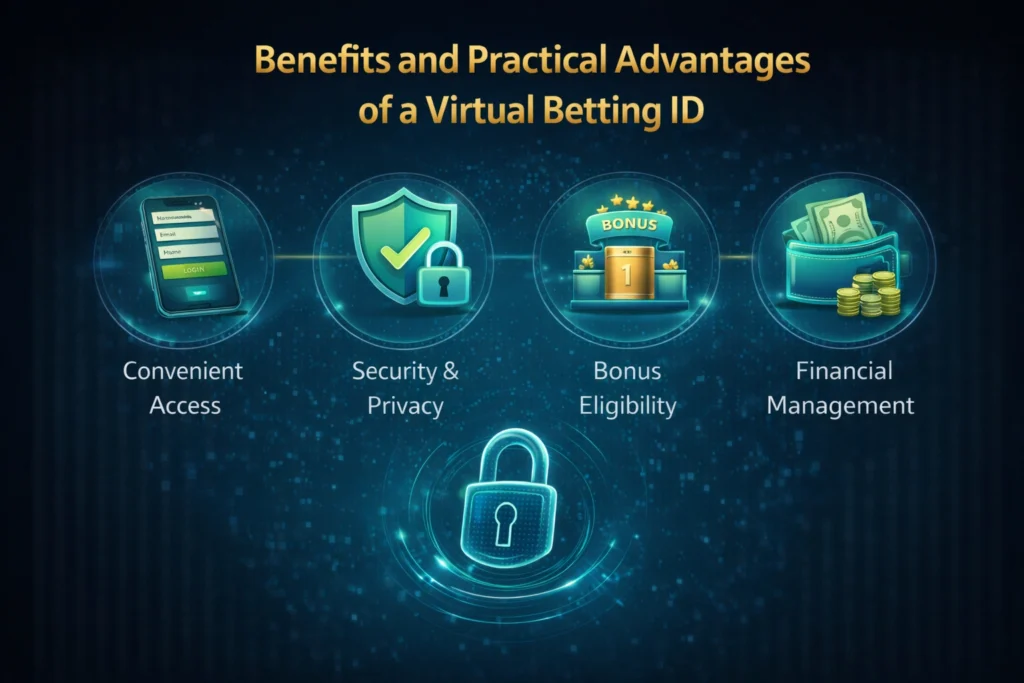
A Virtual Betting ID has transformed the way people participate in betting activities. What once required visiting a physical location can now be done instantly from a mobile phone or computer. This shift to digital systems has created several important advantages for users.
Understanding these benefits helps explain why Virtual Betting IDs have become central to modern online betting platforms.
1. Convenience and Accessibility
One of the biggest advantages is convenience. With a Virtual Betting ID, users can:
- Access betting markets 24/7
- Place bets from any location
- Use mobile apps or websites
- Avoid traveling to physical betting shops
All that is required is an internet connection and login credentials. This level of accessibility has significantly increased participation in online betting.
2. Fast Transactions
Digital systems allow quick financial processing. Deposits are often credited instantly, and withdrawals are processed much faster compared to traditional methods.
Users can:
- Deposit funds within minutes
- Track wallet balance in real time
- Review complete transaction history
- Request withdrawals directly from their dashboard
Speed and transparency improve overall user experience.
3. Complete Activity Tracking
Every action performed under a Virtual Betting ID is recorded automatically. This includes:
- Bet history
- Win and loss records
- Bonus usage
- Deposit and withdrawal logs
Having access to detailed records helps users monitor their spending patterns and maintain better control over their betting behavior.
4. Privacy and Discretion
Online betting through a Virtual Betting ID offers greater privacy compared to physical betting. Users do not need to visit public locations or handle cash transactions in person.
Personal data is stored securely within the platform’s system, and activities remain accessible only through the registered account.
5. Access to Multiple Betting Options
A single Virtual Betting ID often provides access to various sections of a platform, including:
- Sports betting
- Live betting
- Casino games
- Virtual sports
- Promotional campaigns
This integrated access creates a unified betting experience without requiring multiple accounts.
6. Bonuses and Promotional Offers
Many platforms offer welcome bonuses, cashback deals, loyalty rewards, and referral incentives. These benefits are linked directly to the Virtual Betting ID.
The system automatically tracks eligibility and bonus usage, ensuring fair distribution of promotions.
7. Responsible Gambling Tools
Modern platforms integrate responsible gambling features within the account dashboard. Through a Virtual Betting ID, users may be able to:
- Set deposit limits
- Apply daily or monthly betting caps
- Activate cooling-off periods
- Request temporary suspension
These tools encourage healthier betting habits.
8. Real-Time Updates and Live Betting
Virtual Betting IDs enable real-time interaction with live events. Users can:
- Place live bets during matches
- Monitor changing odds instantly
- Receive notifications
- Cash out bets before event completion (if supported)
This dynamic environment adds flexibility and engagement.
9. Multi-Device Compatibility
Most platforms allow login from multiple devices, including:
- Smartphones
- Tablets
- Laptops
- Desktop computers
This ensures uninterrupted access to betting services anytime.
10. Structured Financial Management
The wallet system linked to a Virtual Betting ID provides a clear financial overview. Users can easily see:
- Current balance
- Pending withdrawals
- Bonus balances
- Transaction timestamps
This transparency reduces confusion and improves trust in the platform.
Overall Impact on the Betting Experience
The introduction of Virtual Betting IDs has modernized the entire betting ecosystem. By combining secure identification, wallet management, real-time tracking, and digital accessibility, platforms have created a more organized and user-friendly environment.
However, while these benefits are significant, users must balance convenience with responsibility. Easy access should not lead to uncontrolled betting behavior.
In the next section, we will explore the potential risks and challenges associated with Virtual Betting IDs and how users can manage them wisely.
Risks and Challenges Associated with a Virtual Betting ID
While a Virtual Betting ID offers convenience, speed, and flexibility, it also comes with certain risks. Understanding these challenges is essential for maintaining a safe and controlled betting experience. Digital access makes betting easier — but that same ease can sometimes create problems if not handled responsibly.
Below are the key risks and challenges users should be aware of.
1. Risk of Account Hacking
One of the most serious concerns is unauthorized access. If login credentials are weak or shared carelessly, hackers may gain control of the Virtual Betting ID.
Possible consequences include:
- Loss of wallet balance
- Unauthorized withdrawals
- Personal data exposure
- Account suspension
Strong passwords and two-factor authentication significantly reduce this risk.
2. Fraudulent or Unregulated Platforms
Not all betting platforms operate legally or ethically. Some unregulated websites may:
- Refuse withdrawals
- Manipulate odds unfairly
- Disappear without notice
- Misuse personal information
Creating a Virtual Betting ID on an unreliable platform can lead to financial loss. It is important to verify platform credibility before registering.
3. Agent-Related Risks
In regions where agent-based systems operate, users may rely on intermediaries to create and manage their Virtual Betting ID. This can introduce risks such as:
- Mismanagement of deposits
- Delayed withdrawals
- Lack of transparency
- Credential misuse
Trust and verification are critical when dealing with agents.
4. Gambling Addiction and Behavioral Risk
Because a Virtual Betting ID allows 24/7 access, it may increase the risk of excessive betting. Easy availability can lead to:
- Impulsive decisions
- Chasing losses
- Financial stress
- Emotional pressure
Responsible gambling habits are essential to avoid long-term consequences.
5. Technical Issues
Digital systems are not immune to technical problems. Users may sometimes experience:
- Server downtime
- Payment gateway errors
- Delayed transaction updates
- Login failures
Although most reputable platforms resolve these quickly, temporary inconvenience is possible.
6. Account Restrictions and Suspensions
Platforms enforce strict terms and conditions. A Virtual Betting ID may be suspended for reasons such as:
- Creating multiple accounts
- Suspicious betting patterns
- Policy violations
- Chargeback disputes
Users should carefully read platform rules to avoid accidental violations.
7. Privacy Concerns
Even with encryption, digital platforms collect user data for verification and monitoring purposes. If a platform has weak data protection policies, sensitive information could be at risk.
Selecting licensed platforms with transparent privacy policies is important.
8. Financial Mismanagement
Having instant access to betting markets can make it easier to overspend. Without proper budgeting, users may lose track of:
- Total deposits
- Loss amounts
- Frequency of betting
A Virtual Betting ID provides tracking tools, but users must actively monitor their behavior.
Managing These Risks Wisely
To reduce these challenges:
- Choose verified platforms
- Use strong passwords and enable security features
- Avoid sharing account details
- Set personal betting limits
- Treat betting strictly as entertainment
- Monitor account activity regularly
Awareness and discipline are the most powerful tools for minimizing risk.
Balancing Opportunity and Responsibility
A Virtual Betting ID is neither inherently risky nor completely risk-free. Its impact depends largely on how it is used. When handled responsibly, it provides structured access to digital betting markets. When misused, it can lead to financial and personal problems.
Understanding both benefits and risks allows users to make informed decisions.
In the next section, we will explore the legal considerations and regulatory aspects surrounding Virtual Betting IDs in different regions.
Legal Considerations and Regulatory Aspects of a Virtual Betting ID
The legal status of online betting — and therefore the use of a Virtual Betting ID — varies significantly from one country to another. Before creating or using a Virtual Betting ID, it is important to understand the legal environment in your region. Ignorance of the law does not protect users from potential penalties or account restrictions.
Online betting operates within different regulatory frameworks worldwide, ranging from fully licensed and regulated markets to partially restricted or completely prohibited environments.
1. Countries with Regulated Online Betting
In some regions, online betting is legal and supervised by government-authorized regulatory bodies. These authorities issue licenses to betting platforms and enforce rules related to:
- Fair gaming practices
- User data protection
- Anti-money laundering policies
- Responsible gambling standards
- Financial transparency
In regulated markets, a Virtual Betting ID is protected under consumer laws, and users have formal dispute resolution options if conflicts arise.
2. Countries with Partial Restrictions
Some countries allow betting under limited conditions. For example:
- Only certain licensed operators may function
- Offshore platforms may operate in legal gray areas
- Specific types of betting may be restricted
In such cases, users must carefully check whether creating a Virtual Betting ID complies with local regulations.
3. Countries Where Online Betting Is Prohibited
In certain regions, online gambling is illegal. Creating or using a Virtual Betting ID in such jurisdictions may result in:
- Legal penalties
- Financial fines
- Account closure
- Confiscation of funds
Users are responsible for understanding the legal status before participating.
4. Licensing and Verification
Reputable betting platforms usually display licensing information on their websites. This includes:
- Name of the regulatory authority
- License number
- Registered company details
A licensed platform is more likely to protect users’ Virtual Betting IDs properly and follow fair operational standards.
5. Age Restrictions
Almost all regulated betting markets impose strict age requirements. Users typically must be:
- 18 years or older (in most jurisdictions)
- 21 years or older (in some regions)
During the registration process, age verification may be required. Providing false age information can lead to account suspension and forfeiture of funds.
6. Tax Implications
In some countries, betting winnings are taxable. Users may be required to:
- Declare winnings in tax filings
- Pay a percentage of profits
- Maintain transaction records
Since all activity is recorded under a Virtual Betting ID, financial tracking becomes easier for both users and authorities.
7. Anti-Money Laundering (AML) Compliance
Regulated platforms must follow anti-money laundering policies. This may involve:
- Identity verification (KYC)
- Source-of-funds checks
- Monitoring unusual transactions
If suspicious activity is detected, the Virtual Betting ID may be temporarily frozen pending investigation.
8. Responsible Gambling Regulations
In licensed markets, platforms are required to promote responsible gambling. This includes offering:
- Self-exclusion programs
- Betting limits
- Cooling-off periods
- Access to support resources
These measures are integrated into the Virtual Betting ID system to ensure safer user participation.
9. Cross-Border Betting Issues
Many users access international platforms. However, cross-border betting can create complications such as:
- Payment restrictions
- Currency conversion fees
- Legal uncertainty
- Withdrawal delays
Users should verify whether the platform legally accepts players from their country.
Importance of Legal Awareness
A Virtual Betting ID is not just a digital login — it is a financial and legally connected account. Using it without understanding regional regulations can create serious problems.
Before registering:
- Research local gambling laws
- Verify platform licensing
- Understand tax responsibilities
- Confirm age eligibility
Being legally informed ensures a safer and more secure betting experience.
With legal aspects covered, the next section will focus on the future of Virtual Betting ID systems and how evolving technology is shaping the next generation of online betting platforms.
The Future of Virtual Betting ID Systems
As digital technology continues to evolve, the structure and functionality of the Virtual Betting ID are also advancing. What began as a simple login-based account system is gradually transforming into a more secure, intelligent, and personalized digital identity within online betting platforms.
The future of Virtual Betting ID systems will likely be shaped by improvements in cybersecurity, artificial intelligence, blockchain technology, and user experience design.
1. Biometric Authentication
One of the most anticipated developments is biometric login integration. Instead of relying only on passwords, future Virtual Betting IDs may use:
- Fingerprint recognition
- Facial recognition
- Voice authentication
Biometric systems can significantly reduce the risk of hacking and unauthorized access. Since biometric data is unique to each individual, it adds a stronger security layer compared to traditional passwords.
2. Blockchain Integration
Blockchain technology has the potential to improve transparency and transaction security. If integrated into Virtual Betting ID systems, blockchain could:
- Record transactions permanently
- Reduce fraud risks
- Improve payment speed
- Increase transparency in odds and payouts
Decentralized transaction tracking may build greater trust between users and platforms.
3. Artificial Intelligence Monitoring
Artificial intelligence is already being used in fraud detection, but future systems may expand its role. AI could:
- Analyze betting behavior patterns
- Detect problem gambling tendencies
- Provide personalized betting recommendations
- Identify suspicious activity in real time
This intelligent monitoring could enhance both security and responsible gambling initiatives.
4. Advanced Responsible Gambling Tools
Future Virtual Betting IDs may include more sophisticated responsible gambling controls such as:
- Automatic spending alerts
- Behavioral risk scoring
- Real-time self-control reminders
- AI-driven deposit limit suggestions
These features aim to promote safer betting habits without restricting user freedom.
5. Cryptocurrency and Digital Asset Wallets
As digital currencies gain wider acceptance, more platforms may integrate crypto-based wallets into Virtual Betting IDs. This could allow:
- Faster cross-border transactions
- Lower processing fees
- Greater privacy in payments
- Improved global accessibility
However, regulatory frameworks will play a major role in shaping crypto adoption within betting systems.
6. Cross-Platform Integration
In the future, a single Virtual Betting ID might function across multiple related platforms under one network. For example:
- Sports betting
- Online casinos
- Esports betting
- Fantasy sports
Unified systems could offer seamless access across services without separate registrations.
7. Stronger Data Protection Regulations
As governments tighten digital privacy laws, platforms will likely enhance data protection policies. This could include:
- More transparent privacy agreements
- User-controlled data settings
- Stronger encryption standards
- Improved breach notification systems
A more regulated environment may increase user confidence.
8. Virtual and Augmented Reality Betting
Emerging technologies such as virtual reality (VR) and augmented reality (AR) may redefine user interaction. In such cases, the Virtual Betting ID could act as a personalized identity within immersive betting environments.
This may create interactive virtual betting lounges or live casino simulations where users log in using their secure ID credentials.
9. Faster Identity Verification (e-KYC)
Future verification systems may use digital identity databases for instant KYC approval. This could reduce waiting times while maintaining compliance with anti-money laundering policies.
Faster onboarding would make Virtual Betting ID creation more efficient and user-friendly.
10. Greater Focus on Transparency and Fairness
As competition increases, platforms may invest more in fairness verification tools. Future systems could provide:
- Publicly verifiable odds history
- Transparent payout statistics
- Independent auditing certifications
Trust will remain a key factor in long-term growth.
The Road Ahead
The Virtual Betting ID is expected to become more secure, more intelligent, and more integrated into digital financial ecosystems. While convenience will continue to improve, security and regulatory compliance will remain central priorities.
Technology will shape the next generation of online betting, but user awareness and responsible behavior will always be equally important.
With a clear understanding of its function, benefits, risks, and future direction, users can approach Virtual Betting ID systems with greater confidence and informed decision-making.
Conclusion
The Virtual Betting ID has become the foundation of modern online betting systems. It is more than just a login credential — it is a complete digital identity that connects users to betting markets, wallet management, transaction history, bonuses, and security controls. From registration and verification to responsible gambling tools and advanced security features, every aspect of the online betting experience revolves around this unique account structure.
As digital platforms continue to expand, having a secure and properly managed Virtual Betting ID ensures smoother access, better financial tracking, and improved overall control. Whether someone is interested in sports betting, live markets, or casino gaming, the ID acts as the gateway to all available features within a platform.
For users exploring online betting options, choosing a reliable and structured platform is essential. Platforms such as play99exchfun provide access to betting services through organized account systems, while sports-focused updates and event coverage can be explored through trusted sources like t20worldcuplive. Making informed decisions about where and how to register plays a major role in long-term account safety and user satisfaction.
However, convenience should always be balanced with responsibility. Users must protect their login credentials, understand regional legal regulations, set personal betting limits, and treat betting purely as entertainment rather than a guaranteed income source. A well-managed Virtual Betting ID offers transparency, flexibility, and digital efficiency — but responsible usage determines the overall experience.
As technology advances with stronger encryption, AI monitoring, biometric authentication, and faster payment solutions, Virtual Betting ID systems will continue to evolve. Staying informed about security practices and regulatory guidelines will help users navigate this digital landscape confidently.
In the end, the power of a Virtual Betting ID lies not just in access — but in awareness, discipline, and smart decision-making.
Frequently Asked Questions (FAQ) About Virtual Betting ID
1. What is a Virtual Betting ID?
A Virtual Betting ID is a unique digital account created on an online betting platform. It allows users to log in, deposit funds, place bets, withdraw winnings, and track their betting activity securely.
2. Is creating a Virtual Betting ID free?
Yes, most online betting platforms allow users to register and create a Virtual Betting ID for free. However, you need to deposit funds before placing bets.
3. How can I create a Virtual Betting ID?
You can create a Virtual Betting ID by registering on a betting platform. The process usually includes filling in personal details, verifying your email or phone number, setting a password, and completing identity verification if required.
4. Is a Virtual Betting ID safe to use?
A Virtual Betting ID is generally safe if you use a licensed and secure platform. Safety also depends on using strong passwords, enabling two-factor authentication, and not sharing login details with anyone.
5. Can I have multiple Virtual Betting IDs?
Most platforms do not allow multiple accounts for one user. Creating more than one ID on the same platform may result in account suspension or permanent blocking.
6. What should I do if I forget my password?
If you forget your password, use the “Forgot Password” option on the login page. You will usually receive a reset link or OTP on your registered email or mobile number.
7. Can my Virtual Betting ID be blocked?
Yes, platforms can block or suspend an ID for reasons such as policy violations, suspicious activity, multiple account creation, or failure to complete verification requirements.
8. How do deposits and withdrawals work with a Virtual Betting ID?
Deposits are added to the digital wallet linked to your ID through approved payment methods. Withdrawals are requested from your account dashboard and processed according to platform policies.
9. Is identity verification mandatory?
Many platforms require identity verification (KYC) to comply with legal and anti-money laundering regulations. Verification helps ensure account security and smoother withdrawals.
10. What happens if my Virtual Betting ID is hacked?
If you suspect unauthorized access, immediately change your password and contact customer support. Enabling two-factor authentication can help prevent future issues.
11. Can I use my Virtual Betting ID on multiple devices?
Yes, most platforms allow access from smartphones, tablets, and computers. However, you should log out after using shared devices for security reasons.
12. Are there age restrictions for creating a Virtual Betting ID?
Yes, users must meet the legal age requirement in their country, usually 18 or 21 years old, depending on local regulations.
13. Can I close my Virtual Betting ID permanently?
Most platforms allow users to deactivate or permanently close their accounts by contacting customer support or using self-exclusion features.
14. Is betting through a Virtual Betting ID legal everywhere?
No, the legality of online betting varies by country. It is important to check local laws before registering or using a Virtual Betting ID.
15. How can I use a Virtual Betting ID responsibly?
To use it responsibly:
- Set a fixed budget
- Avoid chasing losses
- Take regular breaks
- Treat betting as entertainment, not income
- Use deposit limits or self-exclusion tools if necessary